Zipline Harness Maintenance: How to Clean, Inspect, and Store Harnesses Properly
📹 This article is based on the official Skyline Ziplines safety video on harness care.
Why Zipline Harness Maintenance Matters
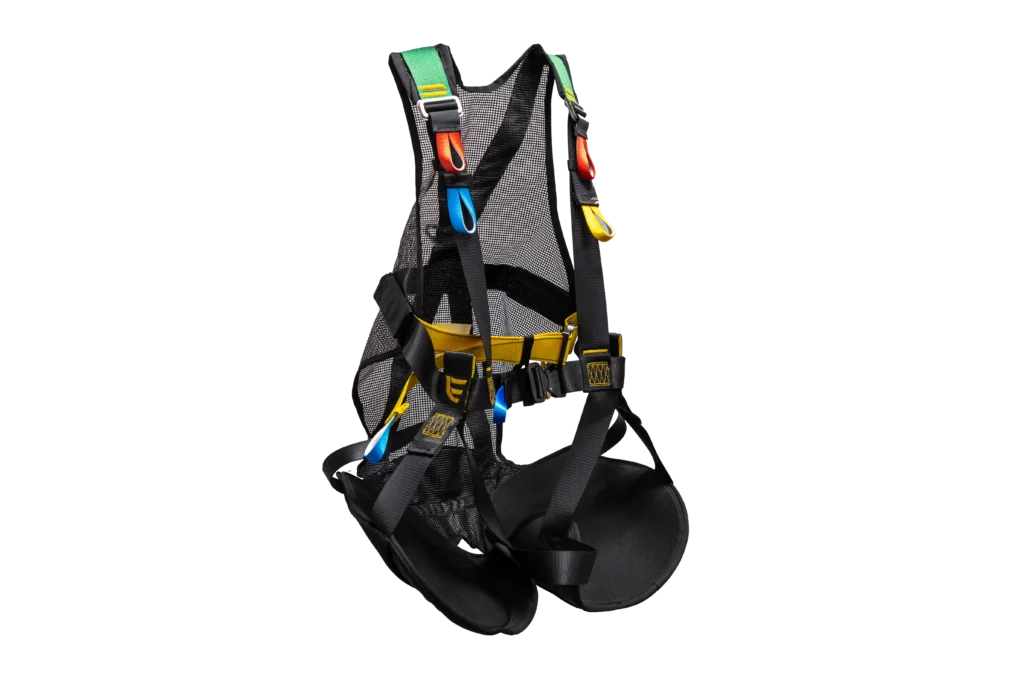
Zipline harness maintenance is essential for keeping your operation safe, reliable, and ready for daily use. Harnesses are exposed to moisture, dust, sweat, friction, and environmental contaminants every day. Over time, these factors can wear down webbing, damage stitching, and affect buckle performance.
With proper cleaning and routine care, operators can:
- catch wear and damage early,
- keep equipment performing safely,
- and significantly extend the service life of their harnesses.
Good harness maintenance isn’t just good practice — it’s a core part of a professional zipline safety program.
When You Should Clean Your Zipline Harnesses
Harnesses should be cleaned whenever they are:
- visibly dirty, dusty, or muddy,
- used in wet, salty, or high-dust environments,
- removed from long-term storage before returning to service.
As a minimum baseline, Skyline Ziplines recommends cleaning harnesses at least once per year, even if no visible contamination is present.
Regular cleaning helps prevent long-term degradation that may not be immediately visible during daily checks.
Proper Zipline Harness Cleaning Process
Step 1: Prepare Your Materials
You will need:
- cold or lukewarm water,
- a small amount of mild soap (such as Dawn dish detergent),
- a soft brush or cloth.
Do not use bleach, harsh chemicals, or abrasive cleaners, as these can permanently damage harness fibers and stitching.
Step 2: Remove Loose Debris
Before washing, shake off dust, sand, or dirt. This prevents abrasive particles from being rubbed into the webbing during cleaning.
Step 3: Gently Clean the Harness
Using soap and water, gently clean:
- webbing,
- stitching,
- mesh,
- areas around buckles and hardware.
Avoid aggressive scrubbing, which can weaken fibers over time.
Step 4: Rinse Thoroughly
Rinse the harness completely to ensure no soap or detergent residue remains. Leftover soap can degrade fibers and reduce harness lifespan.
Step 5: Air Dry Properly
Hang the harness in a cool, shaded, and well-ventilated area.
Never use:
- heaters,
- dryers,
- or direct sunlight.
Excess heat and UV exposure can weaken materials and stitching.
Harness Inspection During Cleaning
Cleaning is also the ideal time to perform a detailed harness inspection. While the harness is wet and handled closely, check for:
- frayed or cut webbing,
- loose or damaged stitching,
- corrosion or damage to buckles and hardware,
- signs of UV or chemical exposure.
Any harness showing damage should be removed from service immediately.
Proper Storage of Zipline Harnesses
Once fully dry, store harnesses:
- in a cool, clean, dry room,
- away from direct sunlight,
- away from chemicals, fumes, or fuel sources.
Harnesses should be:
- kept off the ground,
- spaced apart to allow airflow,
- stored in a way that avoids crushing or bending hardware.
Correct storage prevents mildew, material breakdown, and premature aging.
Zipline Harness Maintenance and Safety Standards
Harness care is an important part of compliance with industry safety standards such as ASTM and ACCT, which require proper inspection, maintenance, and documentation of safety equipment.
Consistent maintenance supports:
- safer daily operations,
- easier inspections,
- stronger compliance records,
- increased confidence from insurers and regulators
- Posted by Noah Smith
- On February 25, 2026
